Scleroderma: Understanding the Hardening Within
Scleroderma, literally meaning “hard skin” in Greek, is a group of rare autoimmune diseases characterized by the hardening and tightening of the skin and connective tissues. This thickening can affect various parts of the body, from the skin and muscles to internal organs like the lungs, heart, and kidneys. While the exact cause of scleroderma remains unknown, understanding its types, symptoms, diagnosis, and treatment options can empower individuals and their caregivers to navigate this challenging condition.
Types of Scleroderma
Scleroderma can be broadly classified into two main types:
- Systemic Sclerosis (SSc): This is the more severe form, affecting not only the skin but also internal organs. SSc is further categorized into:
- Limited Scleroderma: Affects primarily the skin of the hands, feet, and face.
- Diffuse Scleroderma: This widespread form involves extensive skin involvement along with significant internal organ complications.
- Localized Scleroderma: This form is confined to the skin and does not affect internal organs. It can be further categorized into:
- Morphea: Characterized by thickened, oval-shaped patches on the skin.
- Linear Scleroderma: Presents as a band of hardened skin along an arm or leg.
Causes of Scleroderma
The exact cause of scleroderma remains a mystery. However, several factors are believed to contribute to its development:
- Autoimmunity: In scleroderma, the body’s immune system mistakenly attacks healthy tissues, leading to excessive collagen production. Collagen is a protein that provides structure and support to the skin and connective tissues.
- Genetics: While not directly inherited, certain genetic predispositions may increase the risk of developing scleroderma.
- Environmental Triggers: Exposure to certain environmental toxins or viruses might play a role in triggering the disease in genetically susceptible individuals.
Symptoms of Scleroderma
Symptoms of scleroderma vary depending on the type and severity of the disease. Some common signs include:
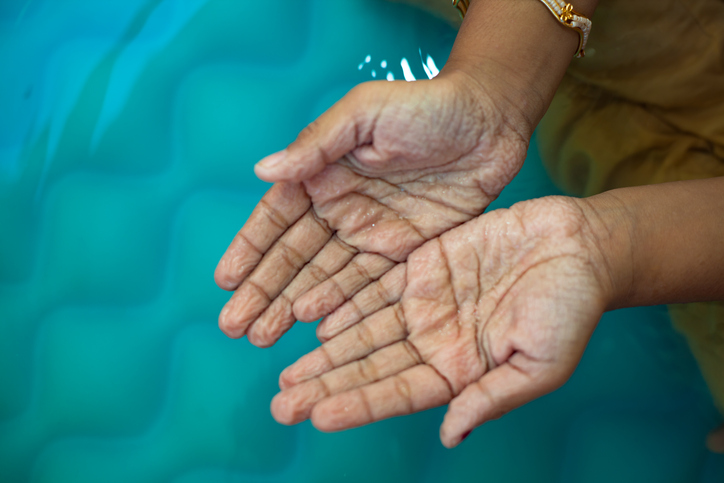
- Skin Thickening and Tightening: This is the hallmark symptom, affecting the hands, face, arms, legs, or trunk. The skin may appear shiny and lose its natural elasticity.
- Raynaud’s Phenomenon: Fingers and toes become numb, tingly, and discolored (white or blue) in response to cold or emotional stress.
- Joint Pain and Stiffness: Pain and stiffness can occur in the hands, feet, knees, and other joints.
- Fatigue: Feeling tired and lacking energy is a common complaint in individuals with scleroderma.
- Digestive Issues: Gastrointestinal problems like heartburn, bloating, and difficulty swallowing can occur due to involvement of the digestive tract.
- Shortness of Breath: Scarring in the lungs (pulmonary fibrosis) can lead to difficulty breathing.
- Heartburn and Difficulty Swallowing: Involvement of the esophagus can cause these issues.
Diagnosis of Scleroderma
Diagnosing scleroderma can be challenging as symptoms can mimic other conditions. A combination of tests is typically employed, including:
- Physical Examination: A thorough physical exam to assess skin involvement, joint mobility, and signs of organ dysfunction.
- Blood Tests: Blood tests can detect specific autoantibodies often present in scleroderma.
- Imaging Tests: X-rays, CT scans, and MRIs can help assess internal organ involvement.
- Skin Biopsy: A small sample of skin is removed and examined under a microscope to confirm the diagnosis.
Treatment Options for Scleroderma
While there is no cure for scleroderma, several treatment options can help manage symptoms and improve quality of life. These include:
- Medications: Medications can help suppress the immune system, reduce inflammation, and alleviate specific symptoms like muscle pain and Raynaud’s phenomenon.
- Physical and Occupational Therapy: Physical and occupational therapy can help maintain joint mobility, improve strength, and teach individuals coping strategies for daily activities.
- Surgery: In some cases, surgery may be necessary to correct joint contractures or improve hand function.
- Lifestyle Modifications: Maintaining a healthy lifestyle with a balanced diet, regular exercise, and stress management can significantly improve overall well-being.
Living with Scleroderma
Scleroderma can be a challenging condition, but with proper treatment, support groups, and a positive outlook, individuals can manage the disease and live fulfilling lives. Early diagnosis and ongoing communication with a healthcare team are crucial for effective management. Research into scleroderma is ongoing, offering hope for future advancements in treatment and even potential cures.