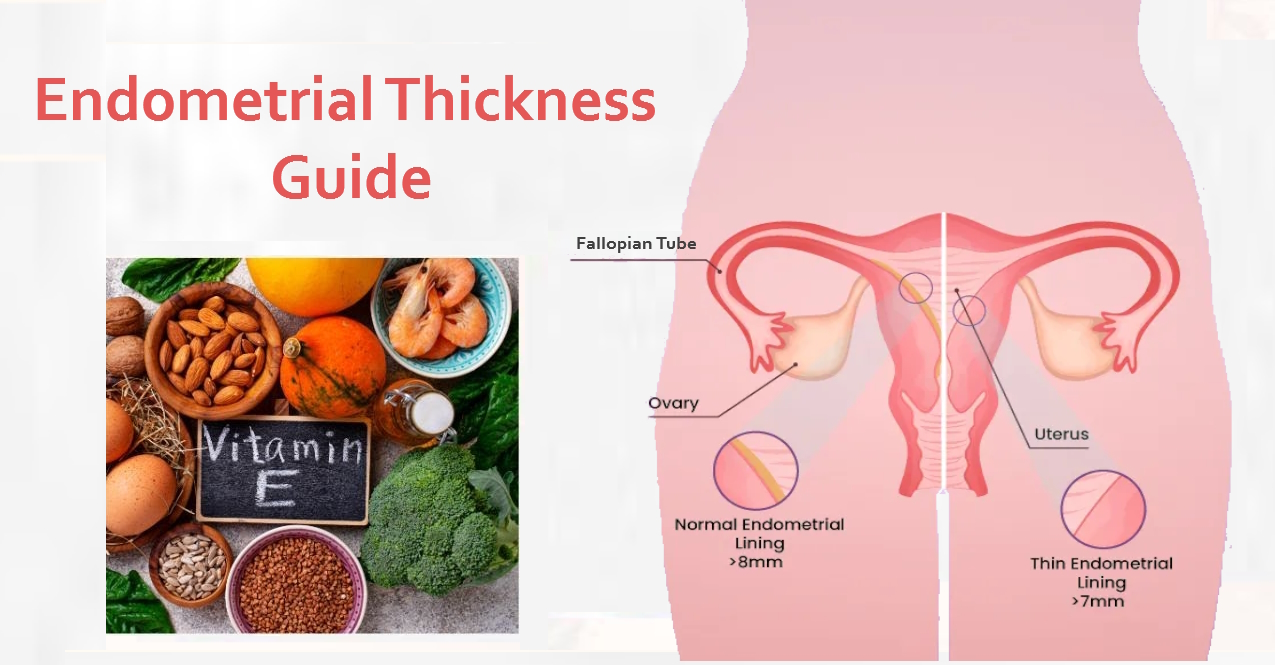
The endometrium, the lining of the uterus, plays a crucial role in reproduction. Each menstrual cycle involves the growth, shedding, and renewal of this lining in preparation for a potential pregnancy. Endometrial thickness, measured in millimeters (mm), is an indicator of its current state and can be a valuable tool in women’s health evaluations. This article explores the normal range of endometrial thickness, methods of measurement, strategies to increase it if needed, and dietary considerations specific to India.
What Is the Normal Endometrial Thickness in Women?
Endometrial thickness is not static; it fluctuates throughout the menstrual cycle due to hormonal influences. Here’s a breakdown of the typical range:
- Menstruation (Days 1-4): During bleeding, the endometrium is thinnest, measuring between 2-4 mm.
- Early Proliferative Phase (Days 5-14): As the cycle restarts, the lining begins to thicken under the influence of estrogen, reaching 5-7 mm.
- Late Proliferative/Preovulatory Phase (Up to Day 14): Nearing ovulation, the endometrium continues to grow, potentially reaching a thickness of up to 11 mm.
- Secretory Phase (Days 15-28): After ovulation, progesterone becomes dominant, further stimulating the endometrium’s growth. It can reach its peak thickness of 7-16 mm during this phase.
Postmenopausal Considerations:
Following menopause, when hormonal fluctuations cease, the endometrium thins significantly. In postmenopausal women, a thickness less than 5 mm is generally considered normal. However, some studies suggest a slightly higher cut-off value of 8-11 mm for women without vaginal bleeding. Women on hormone replacement therapy (HRT) or tamoxifen may have a slightly thicker endometrium due to hormonal influence.
Important Note: These are general guidelines. The “normal” range for a particular woman might vary slightly depending on her individual cycle and health history. Consulting a healthcare professional for personalized guidance is crucial.
How is Endometrial Thickness Measured?
The most common method for measuring endometrial thickness is transvaginal ultrasound (TVS). This minimally invasive procedure involves inserting a slender probe into the vagina to obtain detailed images of the uterus and ovaries. During the TVS, the sonographer measures the thickest part of the endometrium on the ultrasound screen.
Other less common methods for endometrial evaluation include:
- Sonohysterography: This technique utilizes saline solution infused into the uterus during a TVS to provide a clearer picture of the endometrial lining.
- Endometrial biopsy: In some cases, a small sample of the endometrium is extracted for microscopic examination. This is typically done in an outpatient setting.
The choice of which method is most suitable depends on various factors, including the reason for evaluation, the woman’s medical history, and her doctor’s preference.
How to Increase Endometrial Thickness
A thin endometrium can sometimes hinder implantation during assisted reproductive technologies (ART) like in-vitro fertilization (IVF). In such cases, increasing endometrial thickness might be necessary to improve pregnancy chances. Here are some strategies that may be considered:
- Hormone Therapy: Oral medications containing estrogen and/or progesterone can stimulate endometrial growth. The specific type and dosage will be determined by a doctor based on the underlying reason for a thin lining.
- Sildenafil (Viagra): Studies suggest that this medication, typically used for erectile dysfunction, may improve blood flow to the uterus and promote endometrial growth. However, its use for this purpose is considered off-label and requires a doctor’s prescription.
- Dietary Changes: While specific research on Indian foods is limited, incorporating foods rich in essential nutrients that contribute to hormonal balance might be beneficial. These include fruits, vegetables, whole grains, legumes, and healthy fats (e.g., avocados, nuts, seeds).
Important Note: It is crucial to consult a healthcare professional before attempting any methods to increase endometrial thickness. Self-treatment or unregulated use of medications can be counterproductive and potentially hazardous.
India Foods To Increase Endometrial Thickness
While there’s no single magic bullet diet for increasing endometrial thickness, incorporating a balanced and nutritious diet rich in specific nutrients might be helpful. Here’s a look at some Indian foods you can consider:
- Flaxseeds: These tiny powerhouses are rich in omega-3 fatty acids, which have anti-inflammatory properties and may contribute to hormonal balance. You can grind flaxseeds and sprinkle them on cereals, salads, or yogurt.
- Nuts and Seeds: Almonds, walnuts, cashews, pumpkin seeds, and sunflower seeds are good sources of healthy fats, protein, and essential vitamins and minerals. They can be enjoyed as a snack or incorporated into meals.
- Fruits and Vegetables: A vibrant mix of colorful fruits and vegetables provides a wealth of antioxidants that can promote cell health and potentially contribute to endometrial growth. Aim for a variety, including berries, oranges, mangoes, spinach, broccoli, and sweet potatoes.
- Whole Grains: Brown rice, quinoa, millets, and whole-wheat roti are excellent sources of complex carbohydrates, fiber, and essential vitamins. These can help regulate blood sugar levels, which can indirectly influence hormonal balance.
- Legumes: Lentils, chickpeas, kidney beans, and dals are rich in protein, fiber, and iron, all of which are important for overall health and potentially contribute to endometrial growth.
- Healthy Fats: Ghee, when consumed in moderation, can provide essential fats, while avocados are a good source of monounsaturated fats. These healthy fats can contribute to hormonal balance.
Additional Tips:
- Maintain a Healthy Weight: Obesity can disrupt hormonal balance and potentially affect endometrial thickness. Aim for a healthy weight through a balanced diet and regular exercise.
- Manage Stress: Chronic stress can negatively impact hormone regulation. Practices like yoga, meditation, and deep breathing can help manage stress and potentially improve overall reproductive health.
- Adequate Sleep: Aim for 7-8 hours of quality sleep each night. Sleep deprivation can disrupt hormonal balance, potentially affecting endometrial thickness.
Things to Avoid:
- Excessive Caffeine: Limit your intake of coffee, tea, and other caffeinated beverages. Excessive caffeine consumption can disrupt hormone regulation.
- Excessive Alcohol Consumption: Heavy alcohol consumption can negatively impact reproductive health, potentially affecting endometrial thickness.
- Smoking: Smoking is detrimental to overall health and can negatively impact fertility. It’s crucial to quit smoking if you’re trying to improve your reproductive health.
Conclusion:
Endometrial thickness is an important aspect of women’s health, particularly for those who are trying to conceive. Understanding the normal range, methods of measurement, and factors that influence thickness can empower women to make informed decisions about their health. While there is no one-size-fits-all approach to increasing endometrial thickness, consulting a healthcare professional and incorporating a balanced diet rich in essential nutrients can be beneficial. Remember, a healthy lifestyle that prioritizes stress management, adequate sleep, and maintaining a healthy weight is crucial for overall reproductive health and well-being.